- Single-family neighborhoods
- The home, its interior, and the private lot are the owner’s — so pest control there is almost always the resident’s responsibility. The association’s job is the common areas it owns and maintains: the clubhouse, pool, playground, common landscaping, signage, ponds, and shared structures. For most of these calls, the honest answer to a resident is “that one’s yours” — and your pest budget is really about the common areas.
- Townhomes & condos within the community
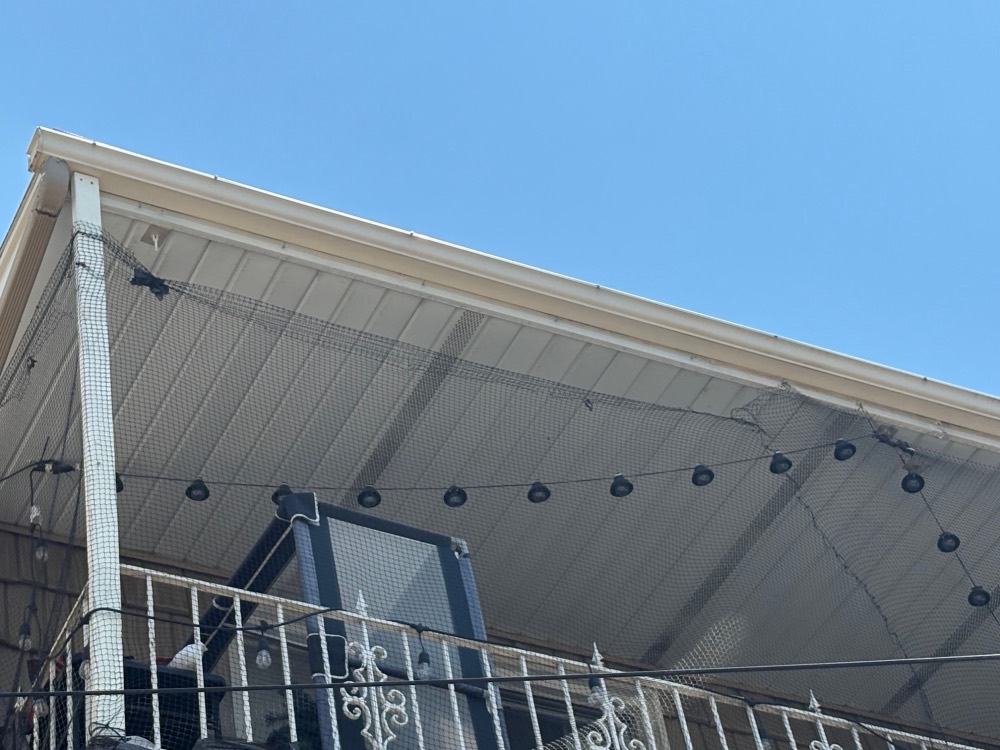
- The line shifts, because the association typically owns and maintains the building shells, roofs, attics, shared walls, and common structural elements. So pests that live in or travel through shared structure — roof rats in a shared attic, cockroaches or bed bugs moving unit-to-unit through shared walls, birds or bats in a shared roofline — become an association matter, even though the unit interior is still the owner’s. Here the manager owns more of the problem, because shared structure spreads pests.
- The dividing question
- Nearly every case comes down to one thing: is the pest in or on something the association owns and maintains, or in something the individual owner controls? Common element = association. Inside the unit or on the private lot = owner.
- Where the real answer lives
- When it’s genuinely unclear, the CC&Rs and the community’s maintenance-responsibility chart govern — not a rule of thumb. That’s the document to point to, and the reason “it depends on your community” is the correct first answer.
A Board Certified Entomologist’s Field Guide
The One-Hour
Entomology Degree
Twenty years in the field, a master’s, and a board certification — minus the twenty years.
A community manager’s field guide to what matters, what doesn’t, and what to actually do about it.